
The allure of sensory stimulation in casinos
Casinos are meticulously designed to create an immersive environment that captivates the senses of gamblers. The use of vibrant colors, flashing lights, and intoxicating sounds serves to heighten excitement and maintain a state of alertness among players, often complemented by promotions that include a free bet bonus to entice them further. This sensory stimulation is not accidental; rather, it is a strategic effort to engage the brain’s reward system, making gamblers more inclined to stay and play longer.
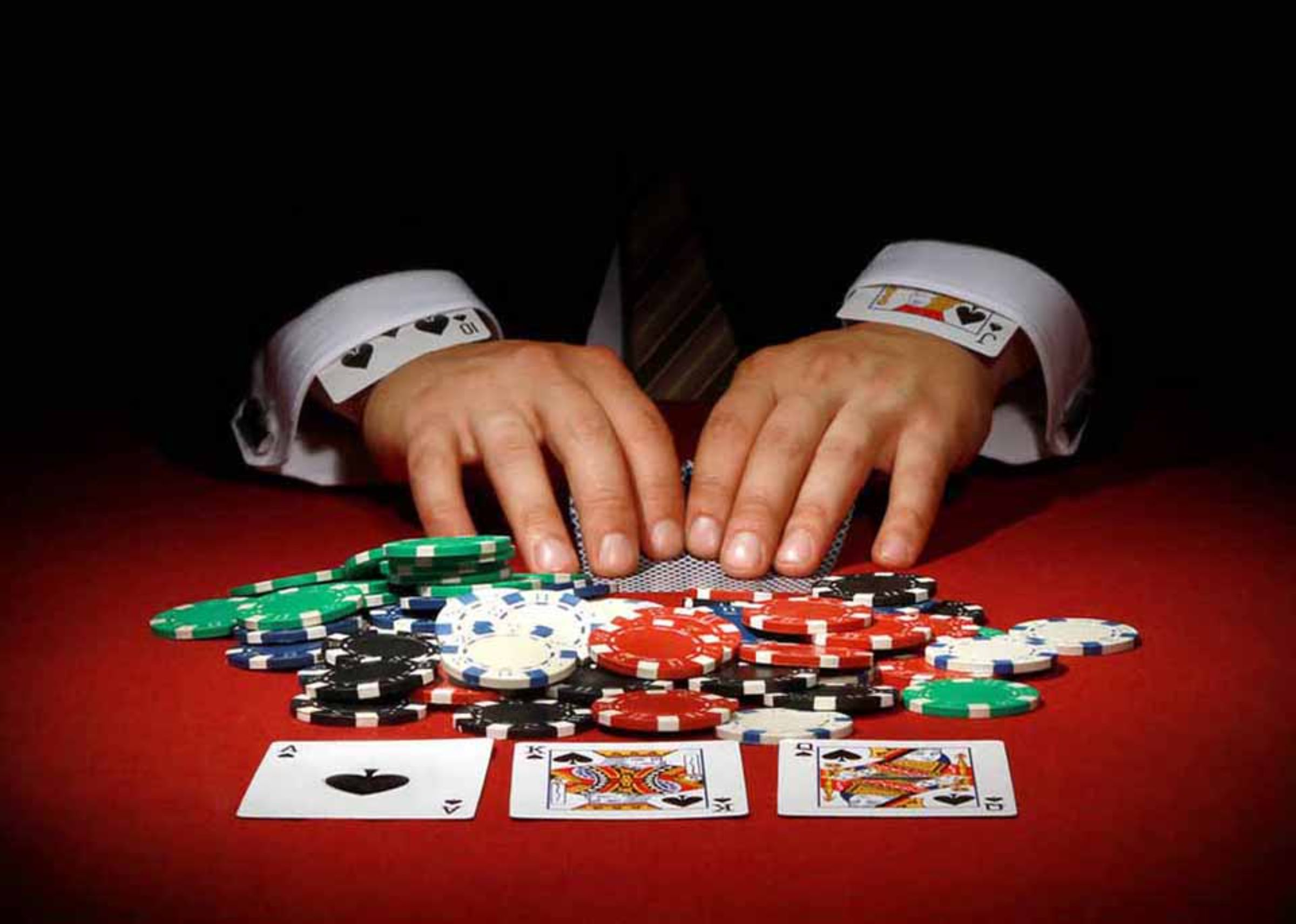
The psychological impact of these design elements can lead to an altered state of consciousness, similar to a flow state where individuals become deeply absorbed in the activity. This can foster a sense of euphoria, making it easy for gamblers to lose track of time and money. The allure lies in the thrill of potential wins, which casinos know how to amplify through carefully constructed environments.
The impact of social interactions in gambling settings
Another significant psychological effect of casino environments is the role of social interactions among gamblers. Many players enjoy the communal aspects of gambling, where they can share experiences, celebrate wins, and empathize with losses. This social engagement can enhance the enjoyment of the activity, leading to an extended stay within the casino.
Moreover, this sense of community can create a positive feedback loop, reinforcing gambling behavior. When individuals observe others winning or having fun, they may feel compelled to continue gambling themselves, hoping to replicate that excitement. This social dynamic contributes to a collective atmosphere that encourages prolonged participation in gambling activities.
The psychological effects of wins and losses
The emotional rollercoaster of gambling is heavily influenced by the psychological effects of wins and losses in a casino setting. Winning can elicit feelings of euphoria and an increased sense of self-worth, while losses often lead to disappointment and regret. Casinos capitalize on this psychology by providing a constant stream of wins, no matter how small, which can keep players engaged and motivated to continue betting.
This cycle of reinforcement can lead to a phenomenon known as “chasing losses,” where gamblers increase their bets in hopes of recouping what they have lost. This behavior can exacerbate the psychological impact of gambling, as the desire to achieve the next high creates a dangerous addiction cycle that is hard to break.
The role of environment in fostering gambling addiction
The design and atmosphere of a casino can play a significant role in the development of gambling addiction. By creating environments that minimize awareness of time and space, casinos encourage players to lose themselves in gambling activities. Features such as lack of windows and clocks are purposefully integrated to disorient gamblers and prolong their stay.
This manipulation of the environment can lead to compulsive gambling behaviors, as individuals find it easier to succumb to the thrill of the game without a clear sense of reality. The psychological effects of such an environment can result in serious consequences for individuals, including financial ruin and strained relationships, highlighting the importance of understanding these influences.
Conclusion and website’s importance
Understanding the psychological effects of casino environments on gamblers is crucial for both players and those in the industry. Gaining insight into how design elements, social interactions, and the emotional highs and lows of gambling influence behavior can lead to increased awareness and potentially healthier gambling practices.
This website aims to provide information and resources that enhance the understanding of gambling’s psychological aspects, ensuring a more informed approach to gaming experiences. By focusing on the interplay between environment and behavior, it seeks to promote responsible gambling while protecting users from potential negative consequences.